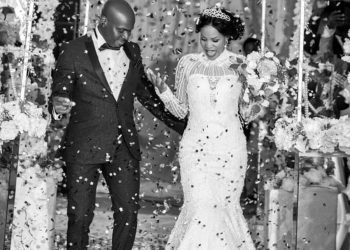


Weddings often place the spotlight on the bride, but a successful day is just as dependent on a responsible, present groom. In many Ugandan weddings, the unspoken expectation is that the groom “shows up and follows the programme.” But the modern groom does more.
Taking ownership of key responsibilities not only eases pressure on your partner but also shows leadership, maturity, and respect for the process. Here are eight things every groom should handle without being chased or reminded.
1. His own outfit
Your suit is not just about showing up in something that fits. It means:
•Confirming fittings in advance
•Ensuring shoes, belt, and accessories match
•Having a backup plan in case of delays
Nothing creates unnecessary stress like a last-minute outfit crisis. A sharp, well-prepared groom sets the tone for the day.
2. Groomsmen coordination
Your groomsmen are your responsibility, not the bride’s. This includes:
•Confirming their outfits
•Sharing the timeline
•Making sure they show up on time
If your team is disorganised, it reflects directly on you. A well-coordinated groom squad keeps the day moving smoothly.
3. Transport for his side
From getting his parents to the venue to ensuring the groomsmen arrive on time, transport logistics should not fall on the bride’s side.
This is especially important in places such as Kampala, where traffic delays can disrupt the entire programme. Plan routes, timing, and backup options early.
4. Financial commitments
If there are payments you are responsible for, whether it is part of the bride price, vendor balances, or reception contributions, handle them early.
Last-minute scrambling for money creates tension and embarrassment. A dependable groom ensures all his obligations are clear and settled on time.
5. Communication with his family
Your family will have expectations, questions, and sometimes strong opinions. It is your role to manage that communication.
Whether it is guiding them on dress code, timing, or cultural roles during the Kwanjula, clear communication prevents confusion and unnecessary drama.

6. Rings and key essentials
It sounds simple, but it is often overlooked. The groom should take full responsibility for:
•The wedding rings
•Personal vows (if applicable)
•Any key items needed during the ceremony
These are small but critical details. Forgetting them can disrupt even the well-planned ceremony.
7. Supporting the bride emotionally
Wedding planning can be overwhelming. Beyond logistics, your presence matters.
Check in regularly, offer reassurance, and be actively involved in decisions. Sometimes what your partner needs most is not solutions, but support.
A calm, engaged groom can make a huge difference in how the entire experience feels.
8. Time management on the day
On the wedding day, things will not go exactly as planned. That is normal. What matters is how you respond.
Be ready on time, keep your team organised, and follow the programme without needing constant direction. If delays happen, stay composed and help keep things moving.
A groom who respects time shows respect for everyone involved.
Final thought
Being a groom is not a passive role. It is an active partnership. When you take responsibility for your part, you reduce stress, build trust, and contribute to a smoother, more enjoyable wedding experience.
In the end, a wedding is not just about the celebration; it is about the foundation you are building together. And showing up prepared is a good place to start.