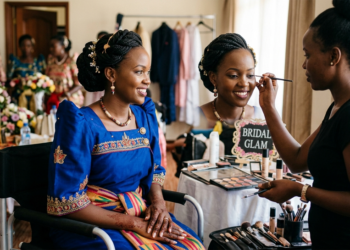

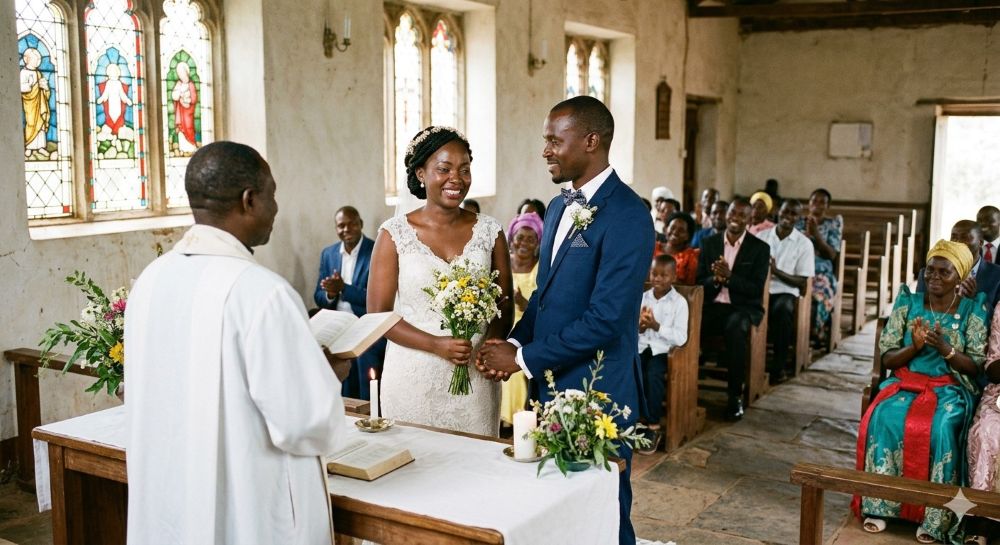
For years, weddings in Uganda have been defined by scale. Long guest lists, elaborate introductions, convoy processions, matching bridal teams, and carefully curated receptions have become the expected standard, especially in urban areas such as Kampala. But quietly, a different kind of celebration is making a comeback: the simple church wedding.
It is not new. Older generations remember a time when weddings were modest affairs, a church ceremony, a small gathering, shared food, and a focus on the vows rather than the spectacle. What is changing today is not the idea, but the motivation behind its return.
Across different parts of the world, including Africa and beyond, couples are increasingly choosing smaller, more intimate weddings due to rising costs and shifting priorities. In some cases, “micro weddings” with fewer than 40 guests have become common, driven by financial pressure and a desire to avoid debt after the celebration is over.
Uganda reflects the same economic reality, but with its own cultural weight. A full wedding process, from introduction to church ceremony and reception, can easily run into tens of millions of shillings, depending on guest numbers and expectations. Even a “modest” celebration often expands as families, friends and social expectations enter the planning process.
It is within this pressure that many couples are quietly stepping back.
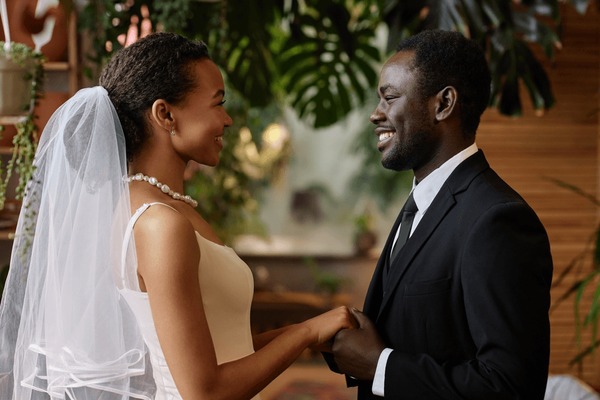
A shift back to “what matters”
Church weddings are becoming the centre of this simplicity movement. Instead of elaborate décor, choreographed entrances, and large bridal squads, some couples are returning to minimal setups: a decorated altar, close family, a short ceremony, and a simple reception afterwards.
Wedding planners and cultural observers say this shift is partly driven by fatigue. Planning a large wedding has become emotionally and financially draining, and some couples are beginning to question whether the stress is worth a single day of celebration.
A Kampala-based wedding coordinator says she has seen more couples asking for “less programme, more meaning.” In many cases, they are choosing to remove elements entirely, no convoy, no extended bridal entourage, and sometimes even a reduced reception.
The goal, she says, is no longer to impress, but to begin marriage without pressure.
The financial reality behind the simplicity
The cost of weddings in Uganda has steadily risen, especially when church fees, reception expenses, décor, photography, and catering are combined. Even “mid-range” weddings frequently exceed expectations once hidden costs and guest numbers are fully accounted for.
Church fees alone have also increased in recent years, with some congregations charging significantly more depending on location and denomination.
For many couples, this has changed the conversation from “How big should our wedding be?” to “How do we avoid starting marriage in debt?”
That question is one of the biggest drivers behind the return to simplicity.
Social pressure versus personal choice
However, the move toward simple church weddings is not without tension.
In many Ugandan families, weddings are still seen as a public statement, not just of love, but of social status, family pride and achievement. A large wedding is often interpreted as success, while a small one can be misread as financial inability or lack of support.
This creates a dilemma for couples who genuinely prefer simplicity but fear judgment.
Some planners say they now counsel couples on managing expectations early, especially with parents and extended family, before budgets are even set.
At the same time, there is a growing counter-narrative among younger couples: that simplicity is not failure, but intentionality.
As one wedding observer puts it, “A simple wedding is no longer something you settle for. It is something you choose.”
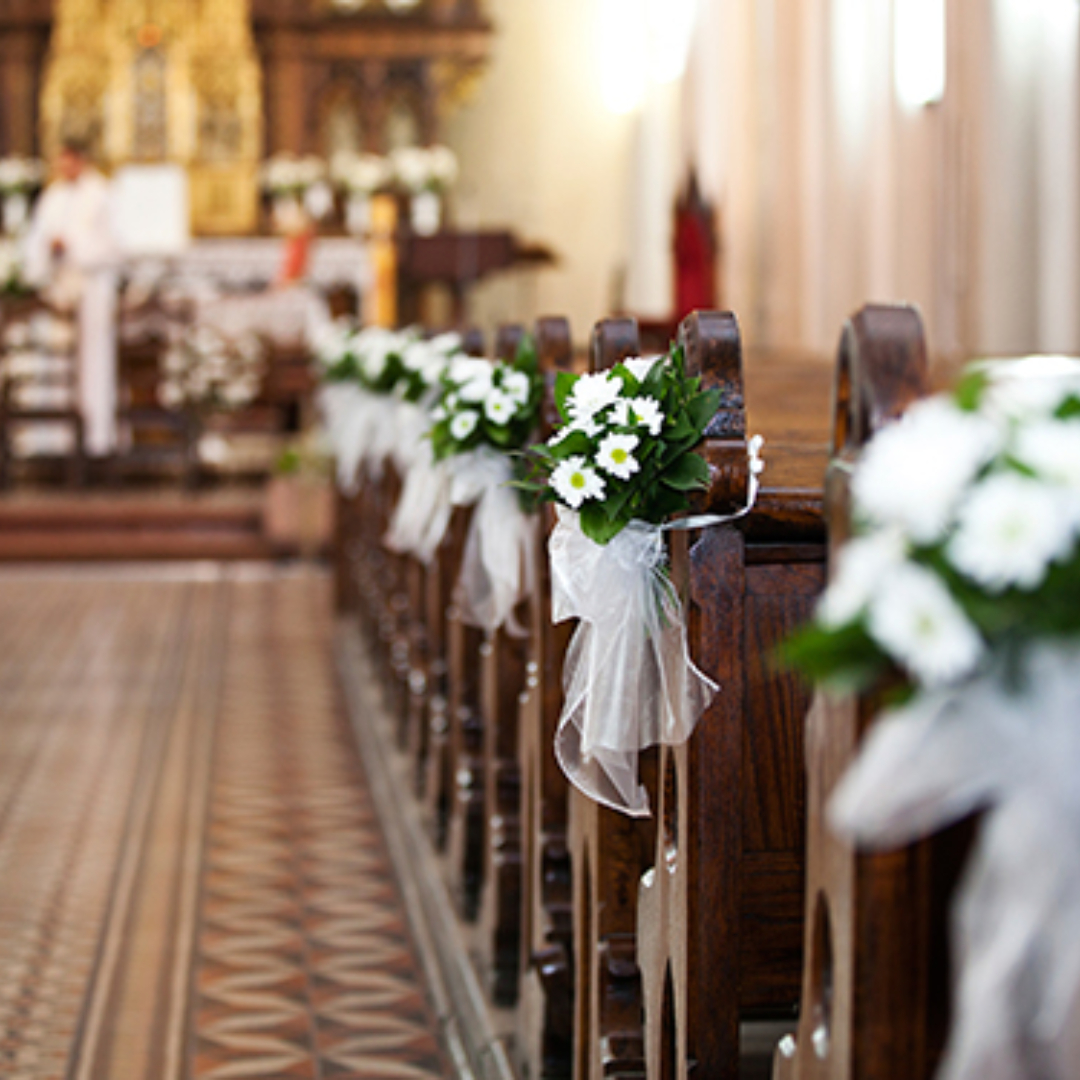
What a modern, simple church wedding looks like
Despite the name, today’s simple church weddings are not stripped of meaning or beauty. Instead, they focus on essentials:
•A church ceremony with close family and friends.
•Minimal décor, often using the church’s natural setting.
•A small bridal party or none at all.
•A short, structured programme.
•A modest reception or shared meal.
•Reduced photography coverage.
•No convoy or limited transport arrangements.
Some couples even choose weekday ceremonies or off-peak seasons to reduce costs further and avoid pressure from large crowds.
Interestingly, planners say simplicity often creates a more emotional atmosphere. With fewer distractions, the focus shifts back to vows, family presence, and the symbolism of marriage itself.
The quiet cultural reset
What makes this trend significant is not just cost, but mindset.
After decades of increasingly elaborate weddings, there is a quiet cultural reset underway. Couples are beginning to ask whether weddings should be milestones of love or productions of status.
For now, both versions still exist side by side: the grand wedding that fills social media feeds, and the quiet church ceremony that prioritises stability over spectacle.
But the return of simple church weddings suggests that for many couples, the definition of a “successful wedding” is changing.
And it may no longer be measured by how loud the celebration is, but by how peacefully the marriage begins.