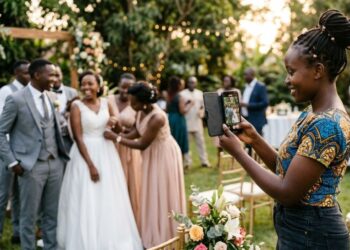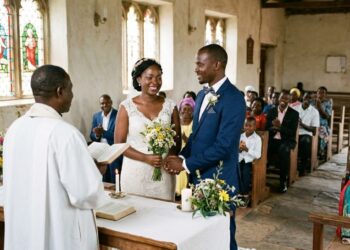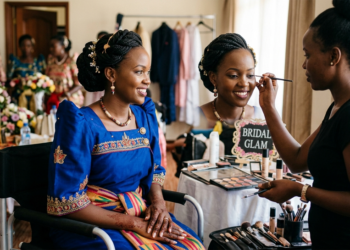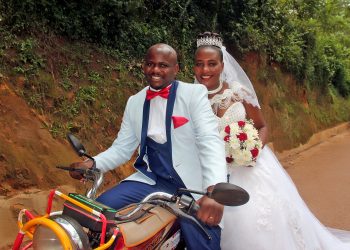

For many Ugandan couples, weddings are no longer just ceremonies of love and commitment. They have become large-scale productions shaped by social media trends, family expectations and the pressure to create unforgettable experiences.
From luxurious venues and designer gowns to elaborate convoys and fireworks, wedding budgets are steadily climbing. But after the music fades and the photos are posted online, many couples quietly admit there are things they wish they had never spent money on.
Wedding planners say one of the most common conversations they now have with former clients is regret, not about getting married, but about how much they spent trying to impress guests.
“Some couples realise afterwards that they paid millions for things nobody even remembers,” says a Kampala-based wedding planner.
As the cost of living continues to rise, more couples are reflecting on whether certain wedding expenses are truly worth it.
The convoy that lasted one afternoon
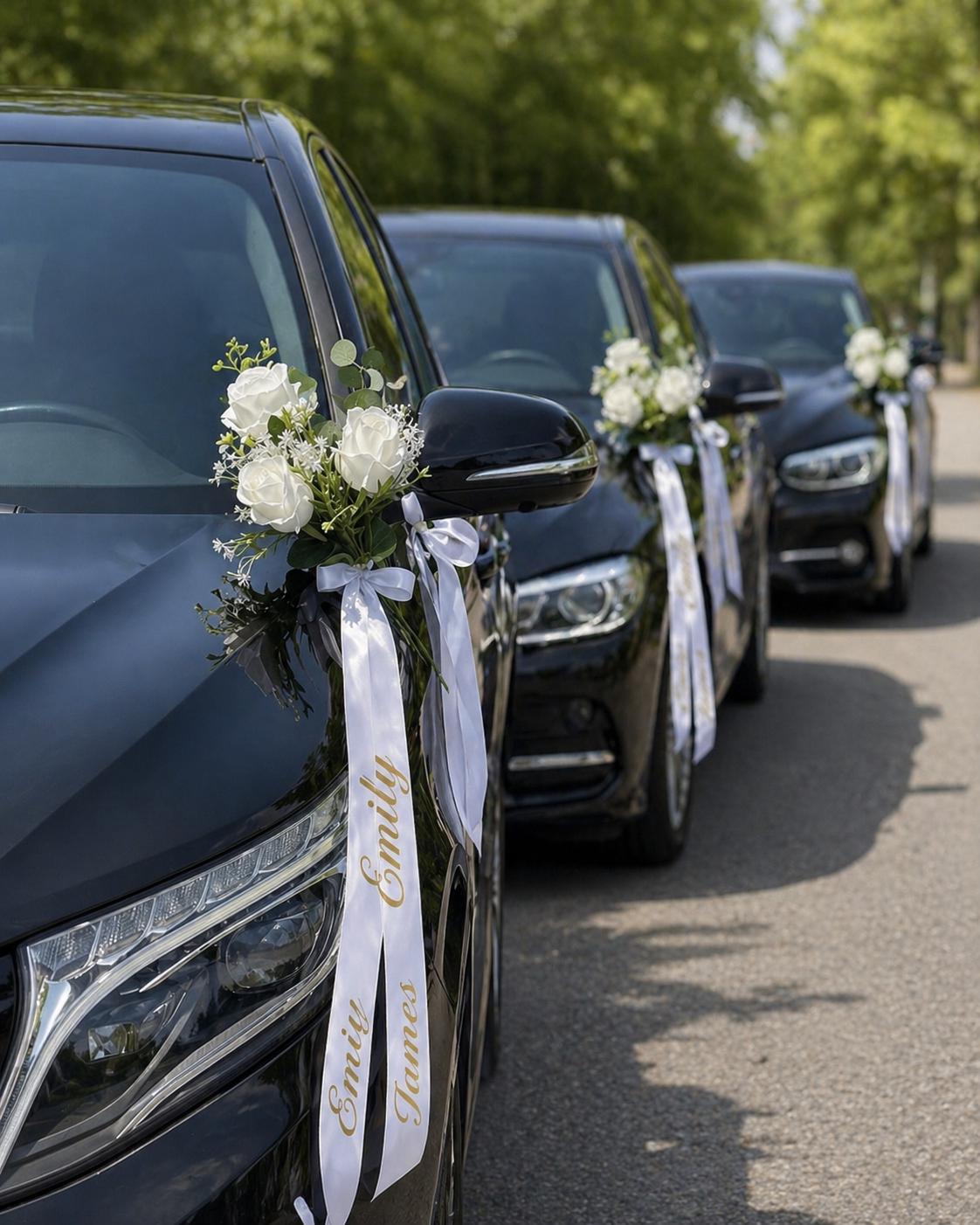
Convoys have become a major status symbol in Ugandan weddings, especially in urban ceremonies. Luxury vehicles, decorated SUVs, hired Range Rovers and coordinated bridal transportation can consume a significant portion of the budget.
But some couples say the expense feels unnecessary afterwards.
A groom who got married in 2024 says transport alone cost him several million shillings.
“At the time, it looked important because everyone around us was doing it,” he says. “But honestly, after the wedding, I realised we could have used that money for furniture or savings.”
Others say convoy pressure is often driven more by social media optics than personal preference. Viral wedding videos and celebrity-style entrances have created expectations that many couples struggle to meet financially.
Décor that disappears in hours
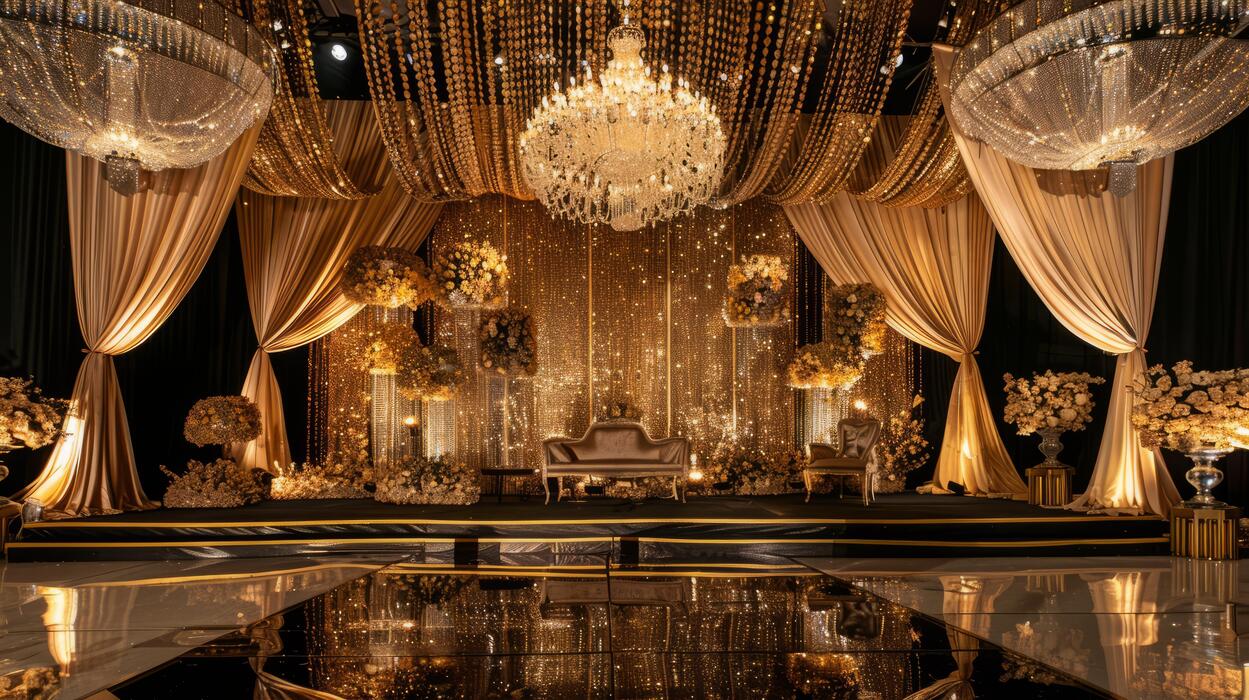
Wedding décor remains one of the biggest expenses in modern weddings. Fresh flowers, hanging installations, luxury tents, lighting and custom backdrops can transform venues beautifully, but they also disappear within hours.
Some couples say they were shocked by how quickly expensive décor was dismantled after the reception ended.
“You spend weeks discussing colours and flower arrangements, then the event ends in one night,” says one bride. “Looking back, I wish we had simplified it.”
Wedding stylists argue that décor shapes the atmosphere and visual memory of a wedding, but even they acknowledge that trends have driven spending to extremes.
Minimalist weddings are now slowly gaining popularity among couples seeking elegance without high costs.
Multiple outfit changes
Brides today often wear several outfits throughout wedding celebrations, including introduction attire, church gowns, reception dresses and after-party looks. Grooms, too, increasingly invest in multiple suits and coordinated wardrobe changes.
While visually impressive, the cost adds up quickly.
Some brides admit they barely enjoyed certain outfits because the day moved too fast.
“I changed dresses so many times that I was exhausted,” one bride says. “Some outfits were only worn for a few minutes and photos.”
Fashion designers say social media and celebrity weddings have significantly influenced these expectations, especially among younger couples.
Oversized guest lists
One of the biggest regrets couples mention is inviting too many people.
Large guest lists dramatically increase costs for catering, seating, venue size and logistics. Yet many attendees spend only a few minutes greeting the couple before leaving.
Some newlyweds say family pressure made it difficult to keep numbers low.
“You find yourself feeding people you barely know,” says one groom. “Meanwhile, you are the one paying the bills afterwards.”
This is one reason intimate weddings and smaller church ceremonies are quietly becoming more appealing to some couples.

Expensive pre-wedding photoshoots
Pre-wedding photoshoots have evolved from simple portraits into highly styled productions involving multiple outfits, luxury locations, drones and travel expenses.
While couples enjoy the creativity and romance of the shoots, some later question whether the costs were justified.
Photography experts say beautiful images remain important, but they encourage couples to balance aesthetics with practicality.
Fireworks, fog machines and grand entrances
Modern weddings increasingly include entertainment elements once associated mainly with concerts and celebrity events. Fog machines, indoor fireworks, dance choreography and dramatic entrances now appear regularly at receptions.
While guests may briefly enjoy the spectacle, some couples later see these additions as unnecessary pressure.
“There is a feeling that weddings must always ‘trend’ online,” says an event planner. “That pressure pushes couples into spending beyond their comfort.”
Choosing meaning over performance
Despite the regrets, many couples say they understand why they made those choices. Weddings are emotional events, and societal expectations can be difficult to resist.
But financial experts and marriage counsellors are encouraging couples to rethink priorities.
The growing shift toward smaller weddings, simpler church ceremonies and intimate receptions suggests that attitudes may already be changing.
Increasingly, couples are asking not how impressive a wedding looks, but whether the spending supports the life they hope to build afterwards.
Because while guests may remember the convoy, flowers or fireworks for a few days, couples are the ones who live with the financial consequences long after the celebration ends.