

They arrive quietly at first, then all at once.
A flight from London lands at Entebbe. Another from Dubai follows hours later. A groom’s cousin drives in from Toronto, still adjusting to the heat. Someone else has just come in from Minneapolis, suitcase full of gifts, outfits, and carefully folded expectations.
By the time the convoy leaves the airport, Kampala already knows something is happening. Not just a wedding, but a “diaspora wedding.”
And in Uganda’s modern wedding culture, that phrase carries weight.
It suggests money, yes. But also, pressure. Taste. Comparison. And a celebration that will be watched, discussed, and remembered differently from the rest.
In the backseat of one of the cars, the bride scrolls through her phone, pausing on a Pinterest board she has saved for months. Soft lighting. White roses. Minimalist elegance. In another car ahead, the groom listens as relatives debate whether a certain uncle “must be included properly” because he represents the family’s respectability. Somewhere in between those two conversations is the wedding that will actually happen.
It has not yet begun, but it is already negotiating its shape.
A wedding that starts before the couple arrives
In Kampala, planners say diaspora weddings rarely begin with décor or venues. They begin with expectations.
Couples return from abroad with a different rhythm of life. Some have spent years in London, where weddings are often intimate and curated. Others have lived in Dubai, where grandeur is normal and celebration is a form of display. Those from the United States arrive with digital inspiration already fully formed; TikTok clips, Instagram reels, and mood boards that feel like finished films.
But Uganda does not simply receive these ideas. It reshapes them.
A planner who has handled several diaspora weddings explains it carefully, choosing her words with experience.
“You do not tell them their ideas are wrong,” she says. “You show them how it can work here.”
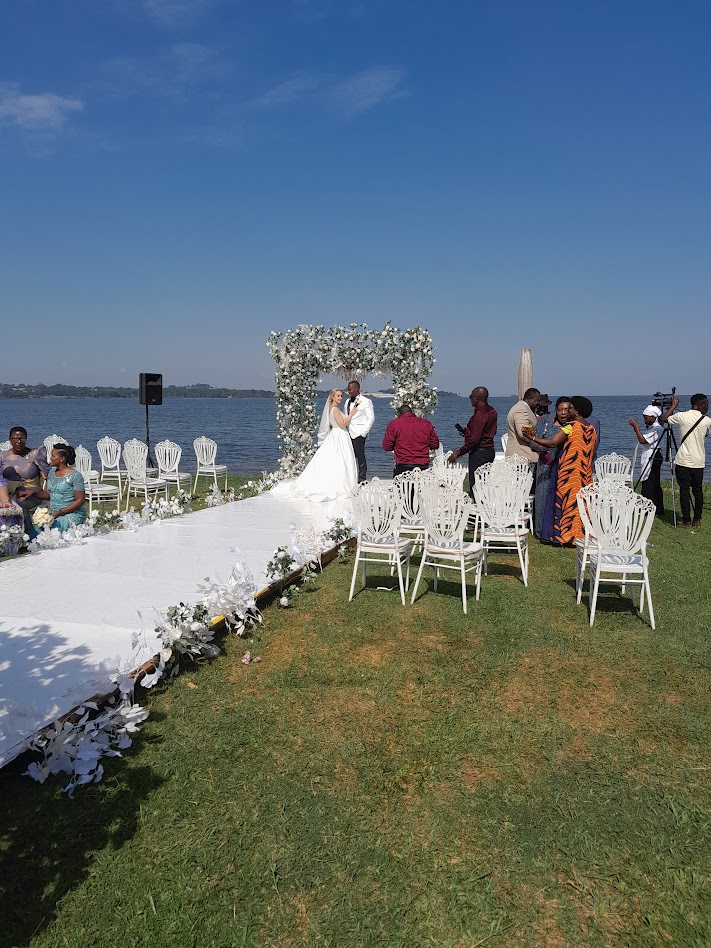
What follows is a process of translation. Not rejection, but adjustment. Lighting ideas are adapted to venues that may not have the same infrastructure. Floral concepts are reinterpreted using what is available locally. Timelines stretch to accommodate family introductions, prayers, and cultural rituals that were not part of the original plan.
And slowly, the wedding becomes something else entirely. Not less than what was imagined, but different from it.
When currencies enter the conversation
One of the most delicate undercurrents in diaspora weddings is never openly announced, but always present.
Money.
Couples earning in dollars, pounds, or dirhams often begin planning with confidence. On paper, the budget looks strong. But in Uganda, weddings do not operate on paper alone.
Family expectations enter the conversation early. A relative suggests including “just a few more people.” Another reminds the couple that introductions must be done properly. Someone else proposes a bigger tent “since visitors from abroad are many.”
Each suggestion feels small on its own. Together, they reshape the entire financial structure of the wedding.
What began as a carefully planned budget slowly expands into something else, not necessarily through extravagance, but through inclusion.
A vendor who has worked with diaspora clients puts it bluntly.
“The money is there,” he says, “but the expectations grow faster than the plan.”
No one is being unreasonable. Everyone is simply speaking from their own understanding of what a wedding should be.
The family factor: when returning home means being watched
For Ugandans returning from abroad, marriage is rarely a private affair. It is a public return.
Families who have not seen the couple in years often experience the wedding as a moment of arrival, not just a union. The person coming from abroad represents success, sacrifice, and possibility. Their wedding becomes a reflection of what the family has achieved or hopes to project.
That is where expectations shift again.
Guest lists expand, not because of pressure alone, but because of pride. Relatives who were once distant are suddenly important again. Cultural processes are emphasised more strongly, not less, because the event is being watched closely by many eyes.
A bride who returned from Canada describes it quietly after her wedding.
“I thought I was planning my day,” she says. “But I realised I was also planning for people who had been waiting for years to see me come home like this.”
Her words capture something many diaspora couples only understand in hindsight: the wedding is not only about the couple’s present. It is also about the family’s memory of absence.
When three continents meet in one venue
What makes diaspora weddings in Uganda visually striking is not just scale, but the combination.
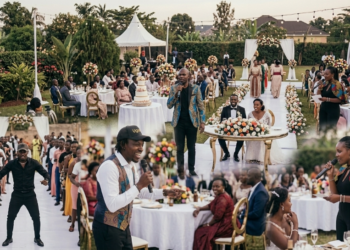
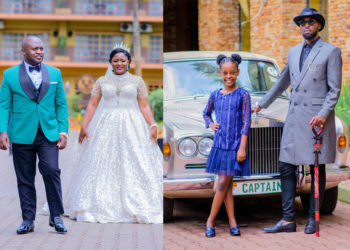
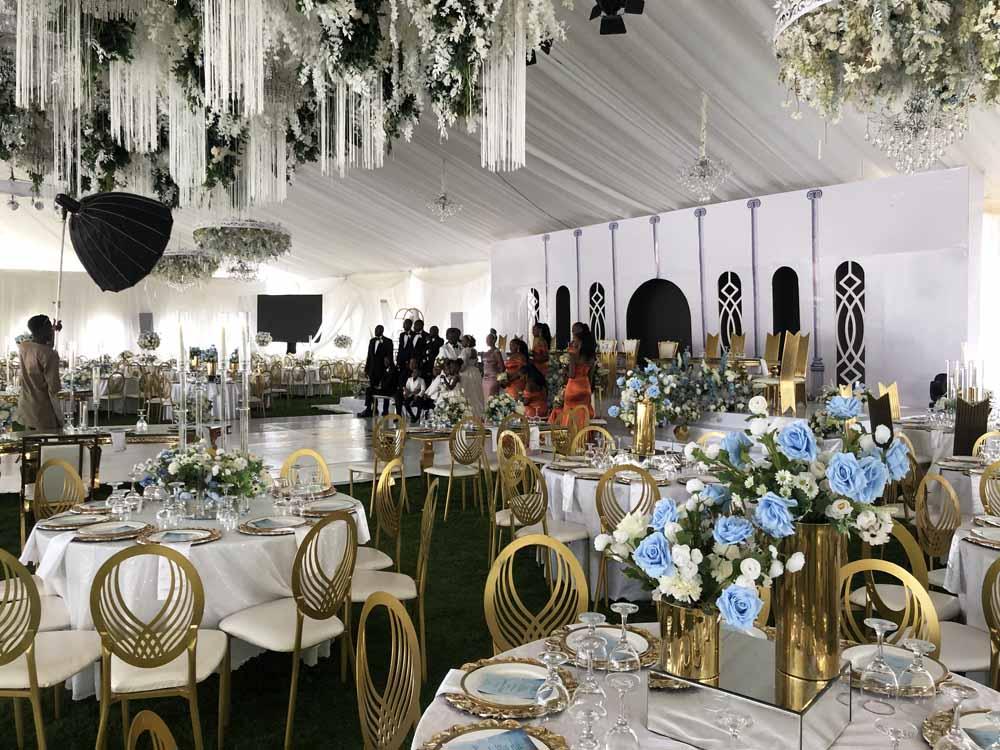
There is often a blending of styles that rarely exist together in one place. A British-influenced ceremony may lean toward simplicity and soft tones. An American influence may introduce personalised vows and storytelling moments that feel almost cinematic. A Middle Eastern influence may bring structured grandeur, bold entrances, and layered aesthetics. And beneath it all remains the Ugandan foundation of family participation, ritual, and communal celebration.
At their best, these weddings feel like conversations between cultures rather than clashes.
At their most difficult, they feel like multiple weddings happening inside one space.
A photographer who has covered many such ceremonies describes it simply.
“It is beautiful,” he says, “but it is never one idea. It is many ideas trying to agree on one day.”
The beauty and the strain of it all
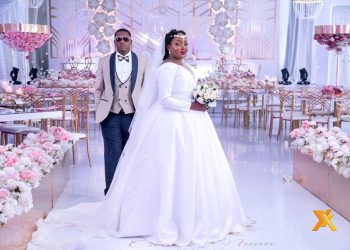
For guests, diaspora weddings often appear flawless. The décor is polished. The outfits are carefully chosen. The programme is tightly managed, even when it feels fluid on the surface.
But behind the scenes, there is often fatigue.
Long-distance coordination adds pressure before the wedding even begins. Family negotiations continue up to the last minute. Vendors adjust expectations in real time. Couples try to balance what they envisioned abroad with what is unfolding at home.
Somewhere in this balancing act, exhaustion quietly accumulates.
Yet, when it works, it really works.
There are moments when diaspora weddings become deeply memorable, not just for their appearance, but for their emotional weight. Reunions between relatives who have not seen each other in years. Celebrations that feel both global and deeply rooted. A sense that multiple worlds have briefly agreed on something important.
And then, just as quickly, it ends.
After the music fades
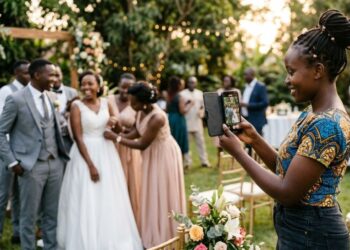
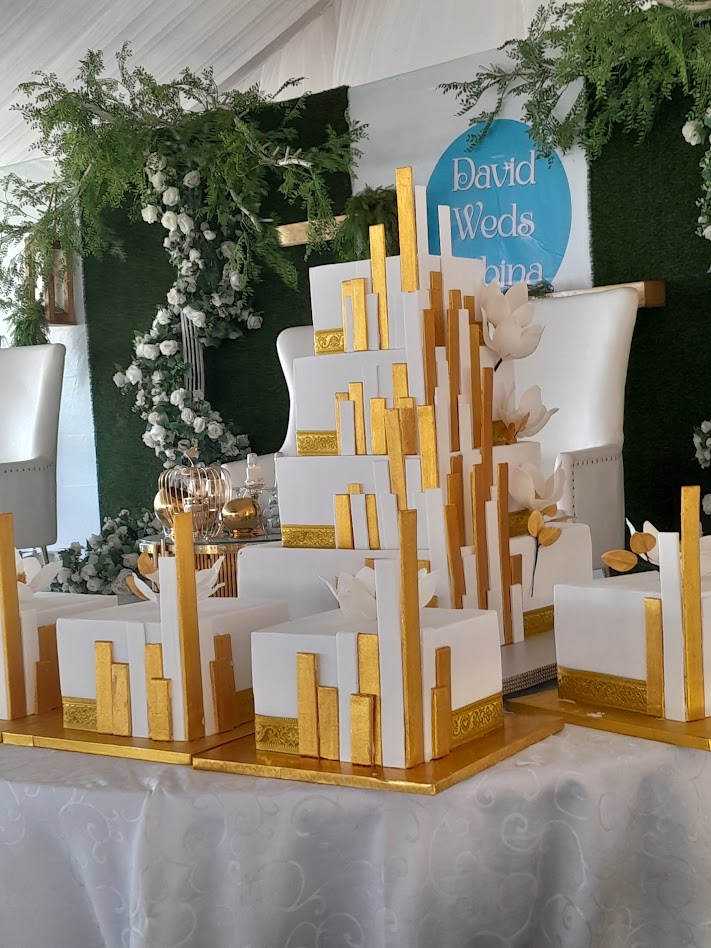
By the time the final song plays, guests are still recording. Conversations continue in small clusters. Someone is already posting highlights online. Someone else is calculating what they spent on transport, outfit, or gift.
But the couple often finds themselves in a quieter space.
Sitting together for the first time all day, they hear what they did not hear earlier; not the music, not the announcements, but the weight of everything that came together to make the day possible.
Different countries. Different expectations. Different ideas of what a wedding should be.
And yet, one ceremony held it all.
In that moment, the diaspora effect is no longer about travel or currency or aesthetics. It is about something simpler and more complicated at the same time: what it means to belong in more than one place, and still try to celebrate love in one.