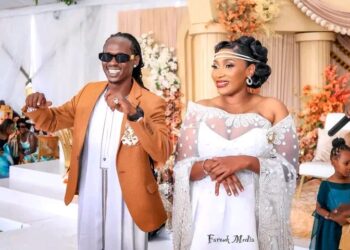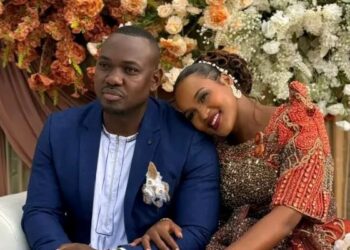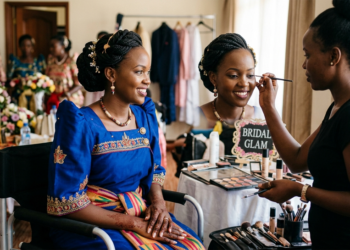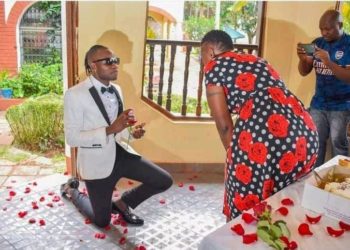

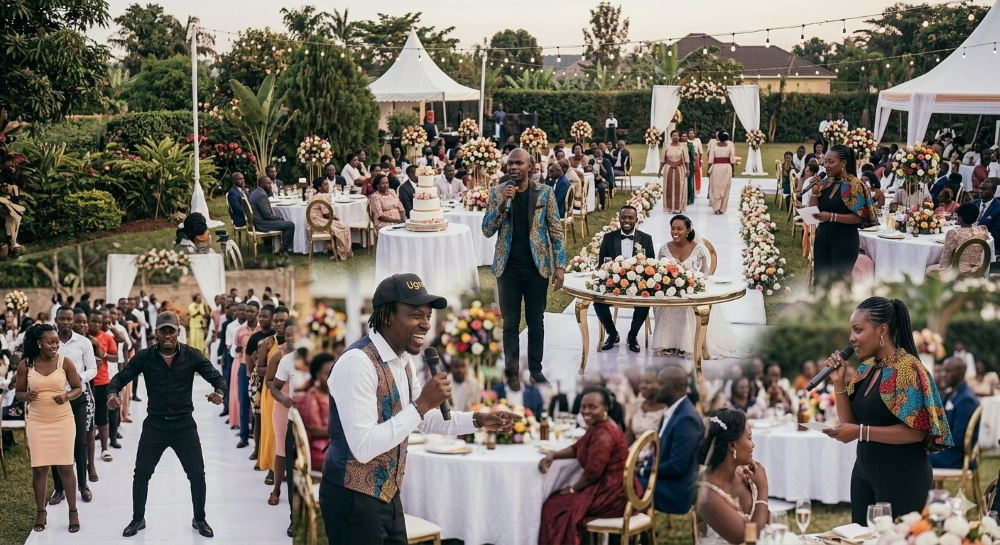
At a Ugandan wedding, there is a moment, somewhere between the slow arrival of guests and the long wait for the bride, when everything seems to hang in the balance. The décor is perfect, the food is still being arranged, the groom is sweating in a well-fitted suit, and the bride is somewhere behind a curtain of anticipation.
Then the microphone comes alive.
A voice cuts through the tension, warm, commanding, familiar. Sometimes playful, sometimes theatrical, sometimes almost sermon-like in its authority. And just like that, the mood shifts.
The wedding has begun, not because the couple has exchanged vows, but because the MC has decided it is time.
In today’s Ugandan wedding culture, the master of ceremonies is no longer just an announcer. The MC is increasingly the heartbeat of the celebration, the unofficial director of energy, emotion, timing and sometimes even truth.
The voice that holds the day together
Weddings are fragile things. Timelines slip. Vendors delay. Guests arrive late. Families argue softly behind tents. In that delicate chaos, the MC becomes the only consistent thread holding everything together.
A good MC does not just announce events; they manage emotions.
They know when to slow the crowd down for a sentimental moment. They know when to inject humour to revive tired guests. They know how to stretch time when the bride is still getting ready, and how to compress it when the rain threatens to fall.
“It is not just talking,” says a Kampala-based wedding planner. “A wedding MC is now a mood manager. If they fail, the whole event feels disorganised, no matter how much money was spent.”
And in Uganda’s fast-evolving wedding scene, that role has become more visible and more valuable than ever.
When MCs become celebrities
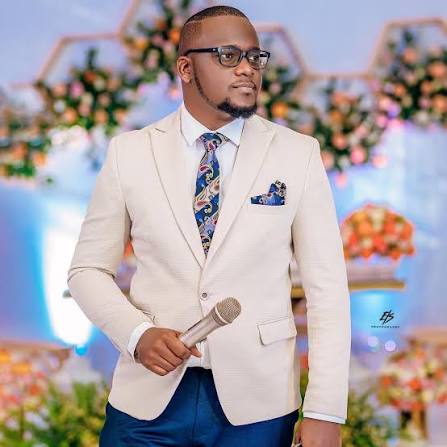
A decade ago, MCs were background figures. Today, some are as recognisable as the couples they introduce.
Names such as Uncle Mo have built reputations that draw crowds in their own right. Guests sometimes attend weddings not just for the couple, but to witness the MC’s performance. The jokes, the timing, the crowd interaction, everything becomes part of a curated experience.
Then there is Romantic Mukiga, whose style blends humour with emotional storytelling, often turning ordinary moments, such as cake cutting or bride entry, into theatrical highlights.
On social media, clips of MCs are shared far beyond the wedding venue. A well-delivered joke, a dramatic pause, or a perfectly timed crowd interaction can travel faster than the wedding itself.
In that sense, the MC is no longer just part of the programme. They are part of the product.
“We chose the mc before the venue”
It is a line that sounds exaggerated until you hear it more than once.
Some couples now admit that selecting a wedding MC happens surprisingly early in their planning process. Before décor themes are debated. Before menu tastings. Before even finalising guest lists.
One bride, speaking anonymously, explains: “We had a budget for everything, but we knew if the MC was boring, the wedding would feel empty. So, we locked ours first.”
It reflects a subtle but important shift: weddings are no longer judged only by how they look, but how they feel in real time. And the MC is central to that feeling.
The art of reading a crowd
A wedding crowd in Uganda is rarely uniform. You have elders who prefer calm respect, and young guests who want entertainment. Church leaders expect order while friends expect fun. Children running between chairs. Vendors waiting for instructions.
The MC stands in the middle of all of it, reading the room constantly.
A silence too long? Fill it.
A dance floor too empty? Activate it.
A bride delayed? Distract without revealing panic.
A speech too long? Politely shorten it with humour.
“It is like walking a tightrope,” says one experienced MC. “One wrong joke and you lose half the crowd. One wrong timing and you lose the dignity of the event.”
This balancing act is what separates a memorable wedding from a forgettable one.
The viral wedding factor
In the age of smartphones, every wedding has an invisible second audience online.
A single MC moment can define how the entire event is remembered. A clever joke about marriage realities, a humorous interaction with in-laws, or a spontaneous dance challenge can end up on TikTok or WhatsApp groups within hours.
Sometimes it works in favour of the couple. Sometimes it becomes a distraction. Either way, the MC is often at the centre of it.
Wedding planners are now quietly acknowledging this reality: “We do not just plan for the guests in the tent,” one says. “We plan for the internet too.”
When the MC oversteps the moment
But the rising influence of MCs has also introduced tension.
Not every joke lands well. Not every crowd wants comedy layered over solemn moments. Some families prefer traditional structure, where ceremony is respected without interruption.
There are weddings where the MC becomes too dominant, stretching moments unnecessarily, interrupting speeches, or shifting focus away from the couple.
“It can go wrong when the MC forgets it is not their show,” says a seasoned photographer. “The wedding must still belong to the couple.”
It is a reminder that while the MC has become powerful, their role is still delicate.
The invisible director of emotion
At its best, the MC is not the star of the wedding. They are its pulse.
They know when to step forward and when to disappear. When to energise the crowd and when to let silence speak. When to make people laugh and when to let them feel something deeper.
In a way, they are directing something far more complex than entertainment. They are shaping memory.
Years later, guests may not remember the exact colour of the décor or the brand of the cake. But they will remember the MC who made them laugh until they cried, or who held the room in a quiet, unexpected emotional pause.
The wedding has changed. So has the MC
Ugandan weddings are evolving, becoming more social, more performative, more emotionally layered. And at the centre of that evolution stands a figure once overlooked.
The MC is no longer just introducing events. They are interpreting them, enhancing them.
Sometimes, even redefining them.
And as long as weddings remain a mix of tradition, pressure, celebration, and unpredictability, the voice on the microphone will continue to matter just as much as the vows being exchanged.
Because in today’s wedding culture, the ceremony may be written in the programme, but the experience is written by the MC.