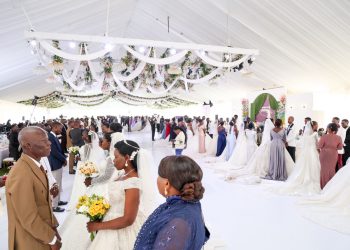

Weddings in Uganda are a vibrant tapestry of culture, emotion, and celebration. From the Kwanjula (introduction ceremony) to the church wedding and finally the reception, each moment carries deep cultural meaning and high expectations. Yet behind the photos, music, and dances, there lies a whirlwind of preparation, coordination, and sometimes chaos. Understanding what really happens behind the scenes can help couples navigate their day with grace and even laugh at the unexpected moments that inevitably arise.
Preparing for the Kwanjula
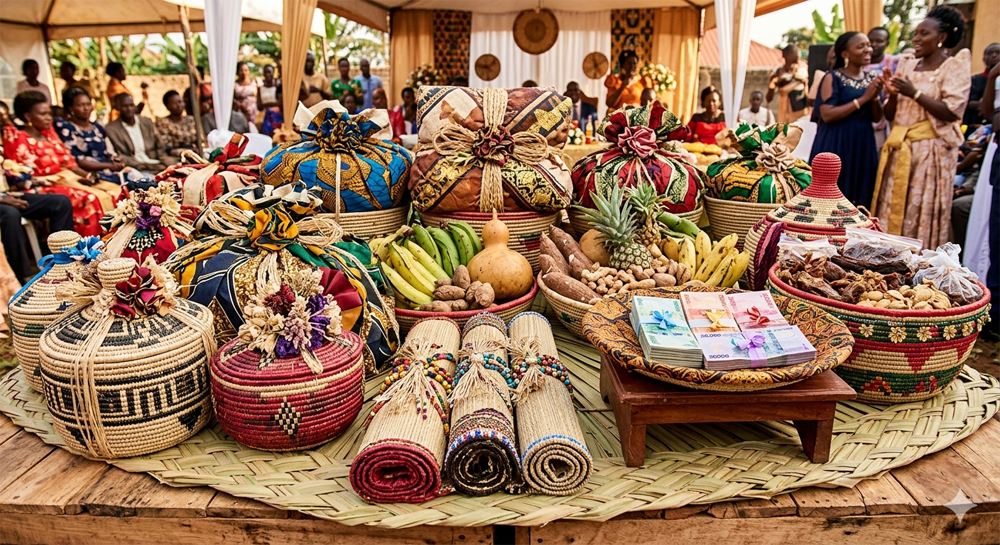
For most Ugandan couples, the journey begins months, sometimes years, before the wedding. The Kwanjula is not merely an event; it is a negotiation of families, gifts, and blessings. Consider the story of Brian and Amina, a couple from Mukono. Weeks before their Kwanjula, Amina’s family debated how many gifts would be presented to Brian’s family, while Brian’s siblings argued over the proper seating arrangement. Such discussions, though tense, are essential parts of the cultural ritual.
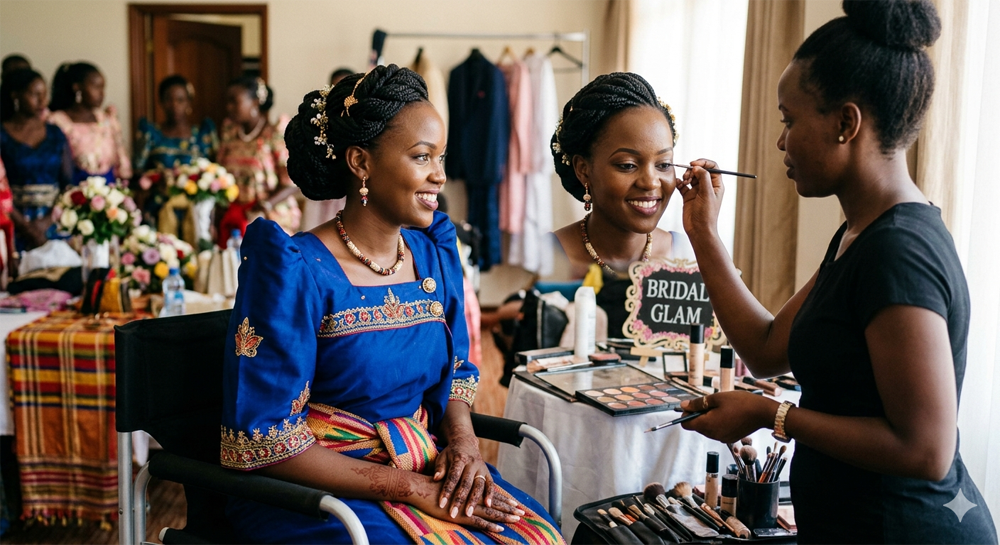
Outfits are another critical aspect. The bride and groom often have multiple outfits, traditional attire for the Kwanjula, church outfits, and reception ensembles.
Tailoring is done months ahead, but last-minute adjustments are common. Amina’s headwrap required three fittings to ensure it stayed in place during the ceremonies.
Accessories, shoes, and ceremonial items such as drums, mats, or symbolic gifts also require careful coordination. Even when planned meticulously, one misstep, a missing shoe, a wrinkled shirt, or a late elder, can ripple across the schedule.
The church ceremony: Timing is everything
Transitioning from the Kwanjula to the church wedding requires careful timing, especially in urban areas such as Kampala. Traffic delays, unpredictable weather, and large groups of family members make punctuality a challenge. For example, during a recent wedding at St John’s Church in Kiwatule, Kampala, the groom’s car broke down en route. Quick improvisation by the wedding planner, switching to a second car and notifying the church team, saved the ceremony from major disruption.
Couples also learn that their wedding day is about more than their own readiness. Bridal party members, parents, and even service providers such as photographers and videographers all need coordination. The bride might be ready on time, but if the groomsmen are late or the church choir arrives without rehearsal, the ceremony can stall. The lesson: delegate responsibilities, communicate clearly, and prepare contingency plans.
Reception realities: Elegance under pressure
While the church ceremony marks the official union, the reception is where planning logistics and personal touches truly shine, or falter. From setting up décor to coordinating catering and music, the reception is a test of organisation. Consider Patricia and Emmanuel, who hosted their reception at a hall in Nansana. The floral arrangements were beautiful, but the seating layout did not match the initial plan, leading to confusion among 200 guests. Thankfully, the couple had assigned ushers who managed seating and guided guests, smoothing over the hiccups.
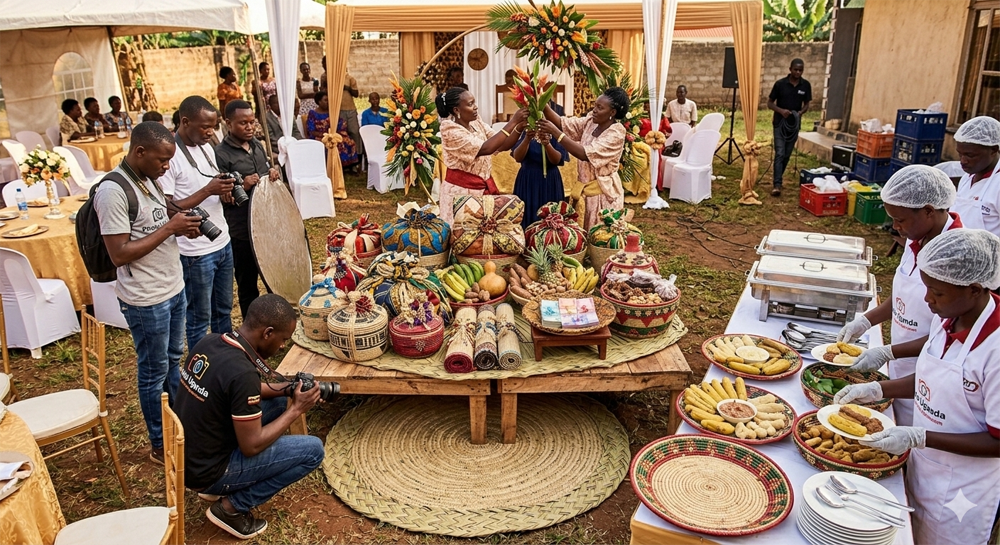
Catering is another challenge. Food must be timed perfectly; in Uganda, where foods such as matooke, chicken, and posho are staples, timing is crucial to maintain quality and temperature. Vendors may need to adjust cooking and serving schedules to match ceremony delays. Even minor delays can create a domino effect: photographers capturing portraits while food sits cooling, or musicians pausing between sets.
Yet, it is these very moments, the laughter at unexpected mishaps, the heartfelt speeches, the impromptu dance-offs, that create lasting memories. Behind the scenes, the day may feel chaotic, but for couples and guests alike, these are the stories that become family legends.
Unexpected lessons and takeaways
Every wedding teaches lessons in adaptability. Even the most detailed plans cannot prevent everything. A sudden rainstorm might force outdoor décor inside, or an elder may deliver an unplanned speech. Couples quickly learn to prioritise: the ceremony, the union, and the shared joy matter more than perfection.
Many Ugandan couples also realise that having reliable support is critical. Whether it is a professional wedding planner, trusted friends, or family members, delegation reduces stress. Brian and Amina relied on their planner to manage vendors, timing, and guest coordination, allowing them to focus on each other rather than the small crises that inevitably arose.
Final thought
Ugandan weddings are celebrations of love, tradition, and family, but they are also complex logistical operations. Behind the photos, dances, and speeches lies a story of planning, improvisation, and teamwork. Understanding what happens behind the scenes allows couples to approach their wedding day with realistic expectations, patience, and humour.
When a couple can smile through wardrobe malfunctions, laugh at minor delays, and trust their team, the magic of the day comes alive, not just for them, but for every guest who witnesses the union. After all, it’s the human moments, imperfect and authentic, that make a wedding truly unforgettable.