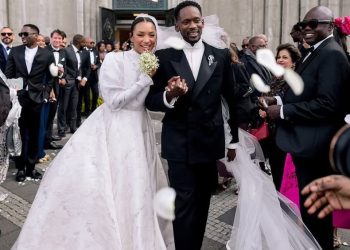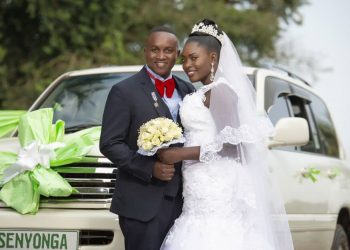

As weddings continue to blend tradition, faith and modern life, the meaning of the bridal dress is slowly changing. White is no longer the only acceptable symbol of love. Colour is no longer a confession. And choice is becoming just as important as custom.
For many women, the walk down the aisle is not just about love and celebration. It is also a moment weighed down by expectations from family, church, clan and community. What a bride wears on her wedding day, especially the colour of her dress, can still spark whispered judgments, raised eyebrows and uncomfortable questions. Long after the vows are spoken, the symbolism stitched into that gown often lingers.
Traditionally, white has dominated church weddings across Uganda and globally, borrowed largely from Western customs introduced during colonialism and missionary work. Over time, the colour came to represent purity, virtue and moral standing. Yet, as Ugandan weddings evolve, blending culture, faith, fashion and personal choice, more brides are quietly asking whether white still deserves its unquestioned place at the altar.
The origin of the white dress
Contrary to popular belief, white has not always been the default bridal colour. Before the 19th century, women across cultures married in a variety of colours, often choosing dresses they could wear again. The idea of wearing a white wedding gown gained prominence after Queen Victoria married Prince Albert in 1840, setting a fashionable trend among the elite.
Over time, especially in Christian contexts, white took on a moral meaning, becoming associated with sexual purity. In many churches, including some in Uganda today, a white dress is still seen as a public declaration of chastity, while off-white or cream is quietly interpreted as “less pure.”
Sarah Kaggwa, a sociologist majoring in gender and religion, explains that these ideas were reinforced by religious teaching. “The white dress became a visual sermon. It communicated obedience, virtue and conformity. Unfortunately, it also created room for shame, judgment and control over women’s bodies,” she says.
The pressure is still felt today
Despite changing times, many brides admit they still feel pressured to choose white, even when it does not reflect who they are. The pressure often comes subtly, from mothers, aunties, church elders or bridal committee members.
“When I suggested ivory instead of white, my aunt asked me whether I was hiding something,” recalls Patricia Nakitende, a 28-year-old banker who wed in Kampala last year. “It was said jokingly, but it hurt. I realised my dress had become a moral statement rather than a fashion choice.”
In some Pentecostal and evangelical churches, brides say modesty rules extend beyond dress style to colour. Shoulders, necklines and even fabric shade are scrutinised. The wedding gown, meant to celebrate love, becomes a test of righteousness.
A counsellor and marriage therapist in Wakiso, Grace Namutebi, says she has encountered brides who experienced deep anxiety over their wedding attire. “Some women feel the dress is security against gossip. They believe that if they wear white, no one will question their past. But if they do not, they risk being labelled impure,” she says.
However, when it comes to Islam, Abdul Karim Lubega, a sheikh, remarks that colour is not the emphasis. Instead, bridal wear should meet acceptable Sharia standards, as with all occasions.
“For women, the dress can be any colour, except plain purple since it is usually associated with certain religious sects. The emphasis is that the gown should be long enough to cover a woman’s body except the eyes, feet and wrists. It should not be so tight as to reveal a woman’s shape, because that is a treasure for her husband, not for others,” he says.
When colour becomes a quiet rebellion
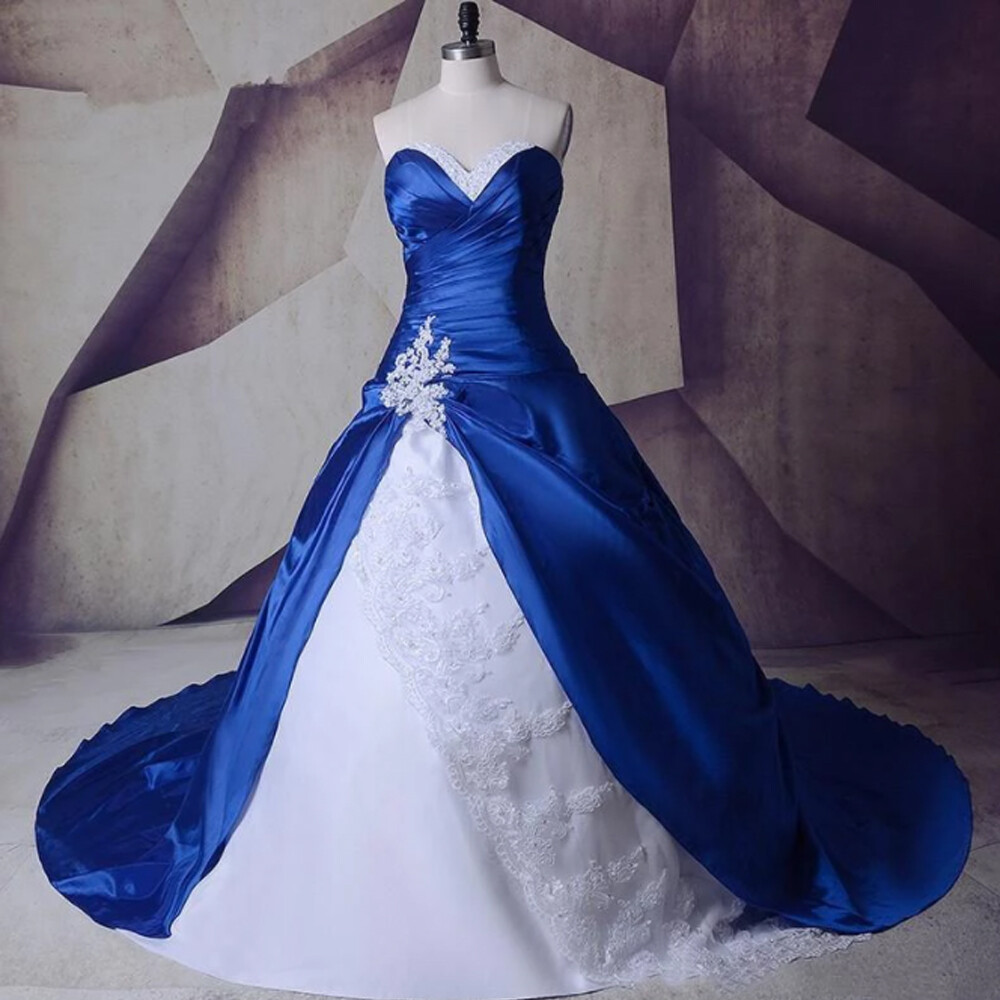
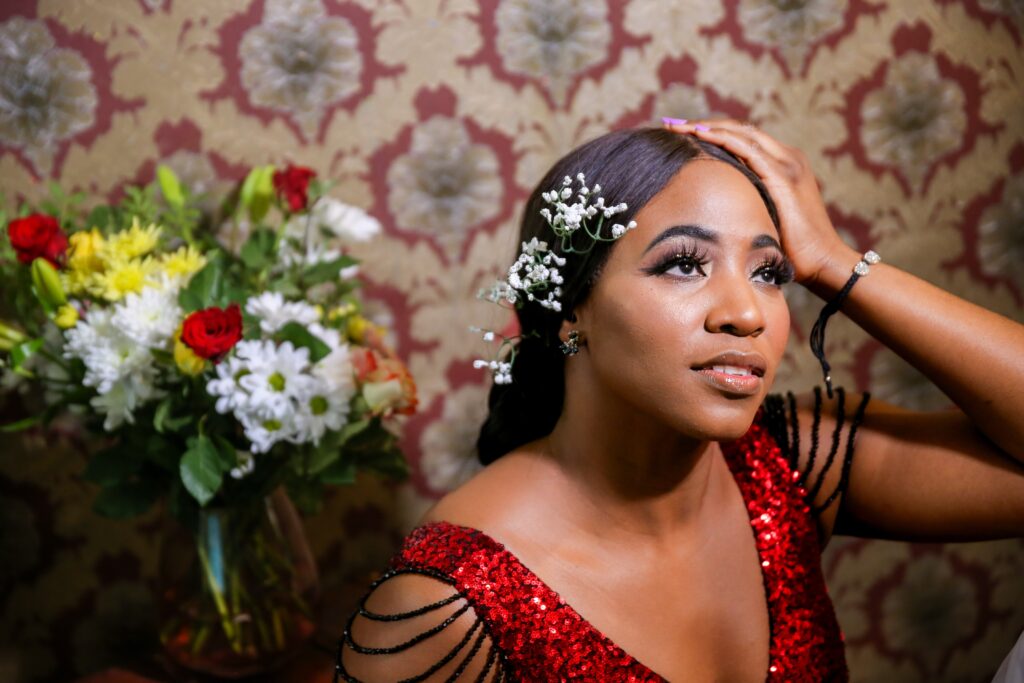
A quiet shift is taking place in Uganda and globally. Brides are embracing shades of ivory, champagne, blush, gold and even bold colours, not as rebellion, but as self-expression.
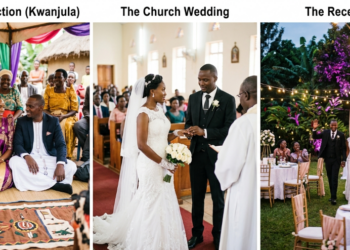
In traditional ceremonies such as kuhigira, kwanjula, introductions or customary weddings, colour has always played a central role. Gomesi fabrics shimmer in deep blues, purples and greens. Mushanana and other traditional wear glow in reds and golds. These colours symbolise joy, wealth, fertility and celebration, not shame.
Fashion designer and bridal wear specialist Aisha Nakato observes that many brides now want their church wedding attire to reflect the richness of their culture.
“Ugandan women are saying, ‘I want to look like myself on my wedding day.’ For some, that means ivory instead of white. For others, it means embroidery, colour or cultural details,” she says.
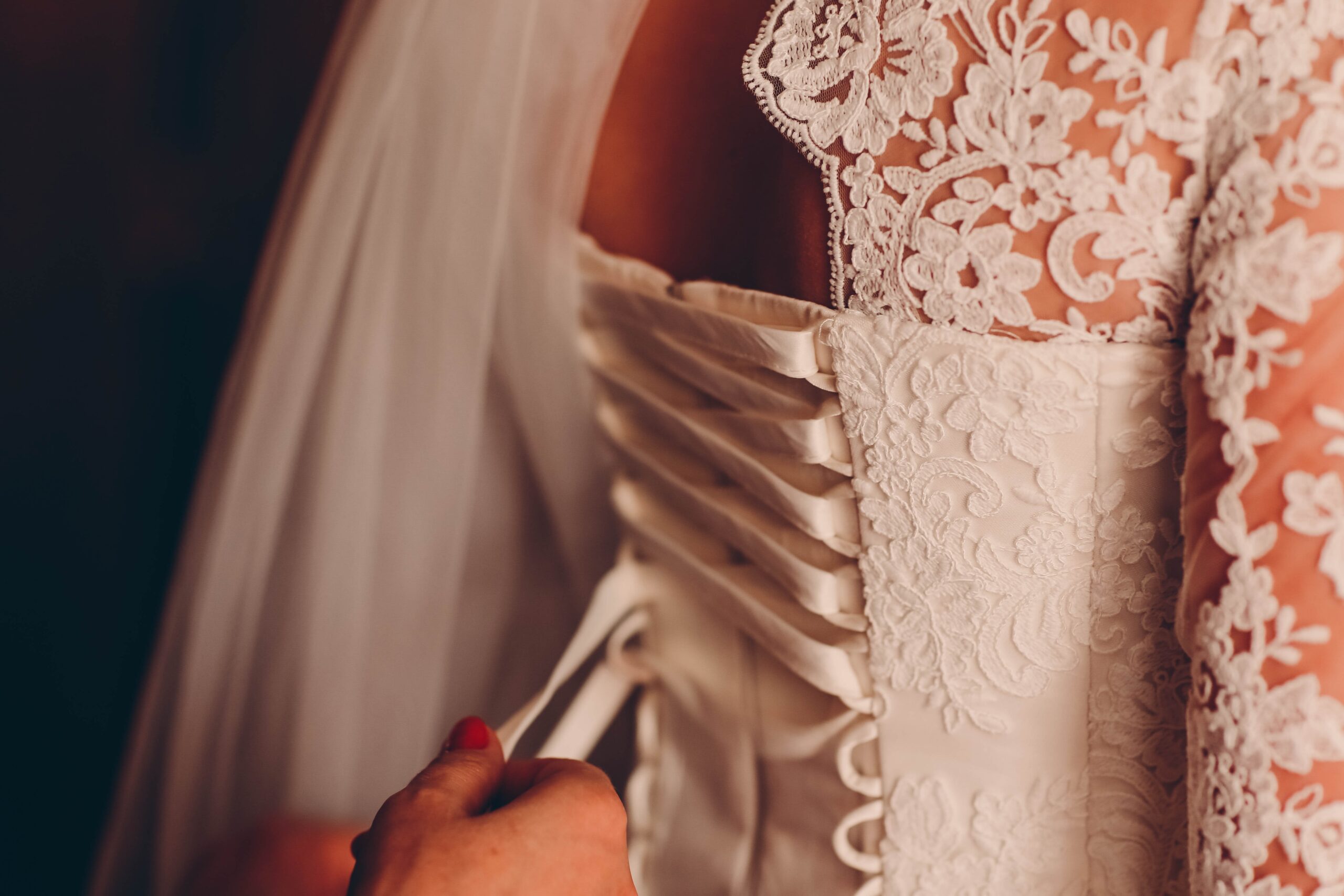
She notes an increase in brides requesting dresses with gold thread, floral embroidery and detachable overskirts that allow them to transition from formal to festive with ease.
Letting go of purity narratives
For some women, choosing colour is also about rejecting the burden of purity culture. Divorcees, older brides and mothers remarrying often feel they are not “allowed” to wear white
.
Margaret Kenyange, a 41-year-old entrepreneur, remembers being advised to wear cream for her second wedding. “People said white was for first-time brides. I asked myself, ‘Does love become less holy the second time?’” she says. She eventually chose a soft white dress and has no regrets. “I refused to carry guilt into a new beginning.”
More people are beginning to challenge old assumptions, saying colour should never define a person’s faith. “Marriage is about covenant, not fabric. The Bible does not command brides to wear white. That expectation is cultural, not spiritual,” says Sam Akuaku, a fashion designer and social media influencer.
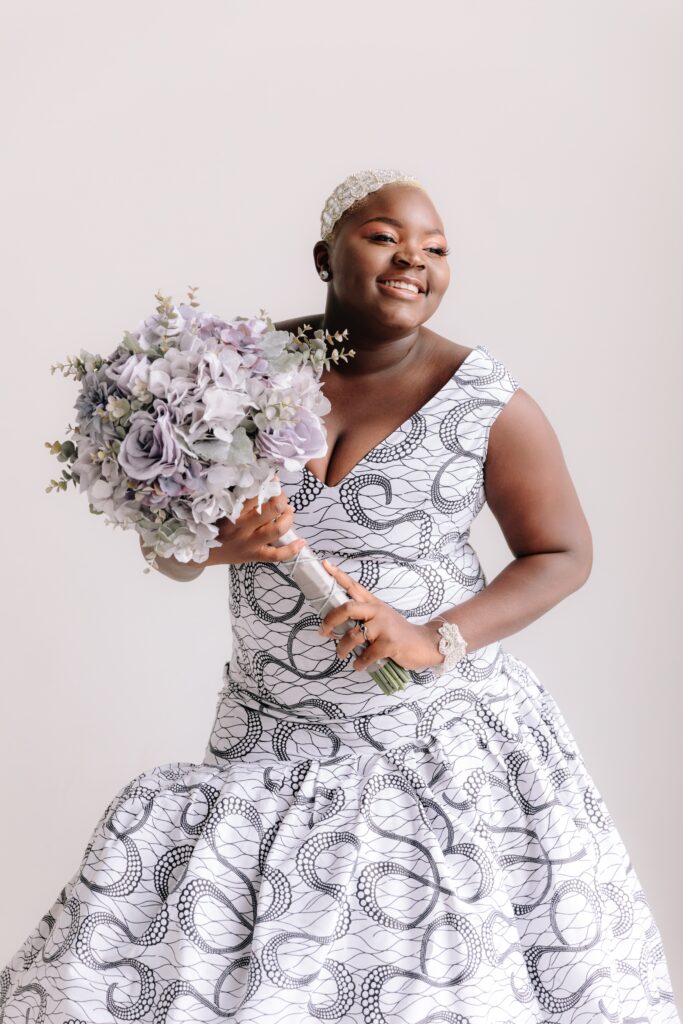
Designing for comfort, culture and movement
Beyond symbolism, modern Ugandan brides are also thinking practically. Weddings are long affairs, often stretching from church to photo shoots, receptions and cultural celebrations. Dresses that allow movement, comfort and transformation are increasingly popular.
Designers report growing demand for gowns with detachable sleeves, trains or overskirts. Some brides opt for a dramatic look at the altar, then transition into a lighter, colourful outfit for the reception and dance floor.
“Many brides want outfits they can reuse or restyle,” says Nakato. “They want value, but also freedom. A dress should celebrate you, not restrict you.”
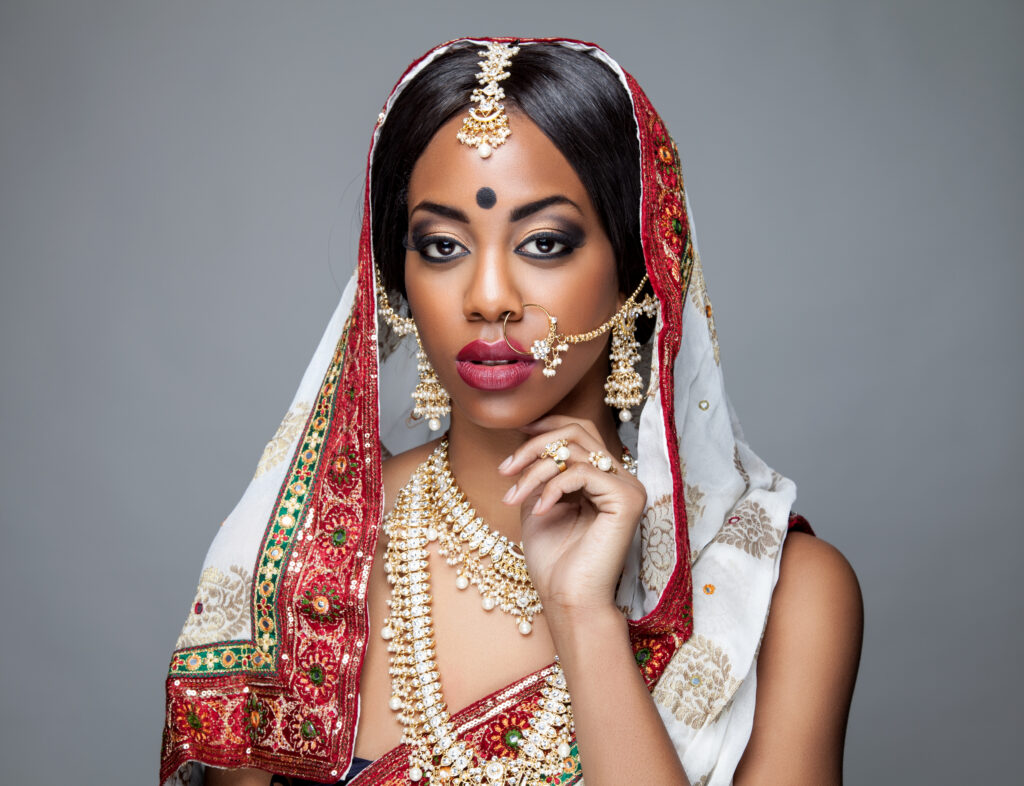
Family, faith and finding balance
Of course, not every bride feels free to go against tradition. For many Ugandan women, family harmony and church approval matter deeply. The choice is often a careful negotiation rather than outright defiance.
“I wore white because it gave my mother peace,” says Juliet Akello. “But I added colourful beadwork and embroidery that felt more like me. It was my way of balancing respect and identity.”
She advises couples to discuss expectations early. “Weddings should not begin with resentment or silence. Brides need space to express what feels meaningful to them, while families need reassurance that tradition can evolve without being destroyed.”
A new meaning for the aisle
For many brides, the most powerful statement is not the shade of the gown, but the confidence with which it is worn. As one newlywed put it, “My marriage is not defined by my dress. My joy is.”
Perhaps the real shift is not about abandoning white, but about freeing the aisle from fear. When brides are allowed to show up as their full selves; past, present and hopeful, the wedding becomes what it was always meant to be: a celebration, not a test.